Thursday, 22 September 2016

End of Term Three - Wellbeing


With the end of another busy term it is important to reflect on the well-being of our colleagues and ourselves.  Many of your may have heard Ian Vickers (Deputy Principal, Sancta Maria Catholic College) speak on this subject.


"We saw a 27- 40% decrease in staff sick days"


Here are some thoughts from Ian around teacher well being:


"The art of looking after one's self, or caring about your own well being is a jigsaw of learnt habits. Teaching is an extremely demanding profession and it is vital that you make sometime for 'you' during each working day".


Triggers


To learn a new positive habit you need to remember to adopt this new activity on a regular basis. We all need reminders, so seeing an aircraft in the sky may be the trigger to remind you to re-hydrate and have a drink of water.


You need to think about a few triggers that will remind you to regularly practice a new approach!

Examples of triggers: Our College is on the Airport flight path so seeing or hearing an aircraft could work for you. Having a special screensaver on your computer could be a trigger. A poem, a photograph on your desk, a treasured item that you frequently see or even the school bell, could be a trigger. It could be the smell from a fragrance from your tissues or a room air freshener.  If could be another external noise such as a distant motorbike or police siren. In essence pick a few things that will constantly remind you to remember to follow a new activity.

Remember to Remember


Resources and Podcast


Here is the teacher wellbeing page for New Zealand teachers and a teacher well being resource Ian had created for schools to adopt.

Ian also participated in a podcast with international leadership consultant Justin Baeder.


Have a fantastic and relaxing Term Three holiday break!

Wednesday, 21 September 2016

TeachMeet at Villa Maria College - Catholic Education Event


Welcome to the third TeachMeet Christchurch event of the year to be hosted at Villa Maria College on Thursday 17th November in the College library starting at 4:15pm.
For those unsure of what a TeachMeet is, check out the explanation here.
To learn about the first TeachMeet earlier this year, see this summary of it here.  A second TeachMeetwas also run in Term 3 2016.
TeachMeet relies on participants voluntarily presenting.
  • Topics can be on anything relevant to teachers across all year levels of Year 1-13 e.g. classroom management, educational theory, learning styles, tech tools, cool websites.
  • There is no theme or agenda – present a “wow” moment of something you tried, something you want to try, or something you’re studying about.
  • Student voice is welcome – if you want to bring a student to share what is happening in your classroom then feel free.
  • We have a strongly non-commercial stance on all presentations.


Connect & Share via #TMChch

Important: we need you to RSVP if you want to present or if you just want to come and enjoy the awesomeness from other teachers. CLICK HERE TO RSVP.

Sunday, 11 September 2016

West Coast and Snow!

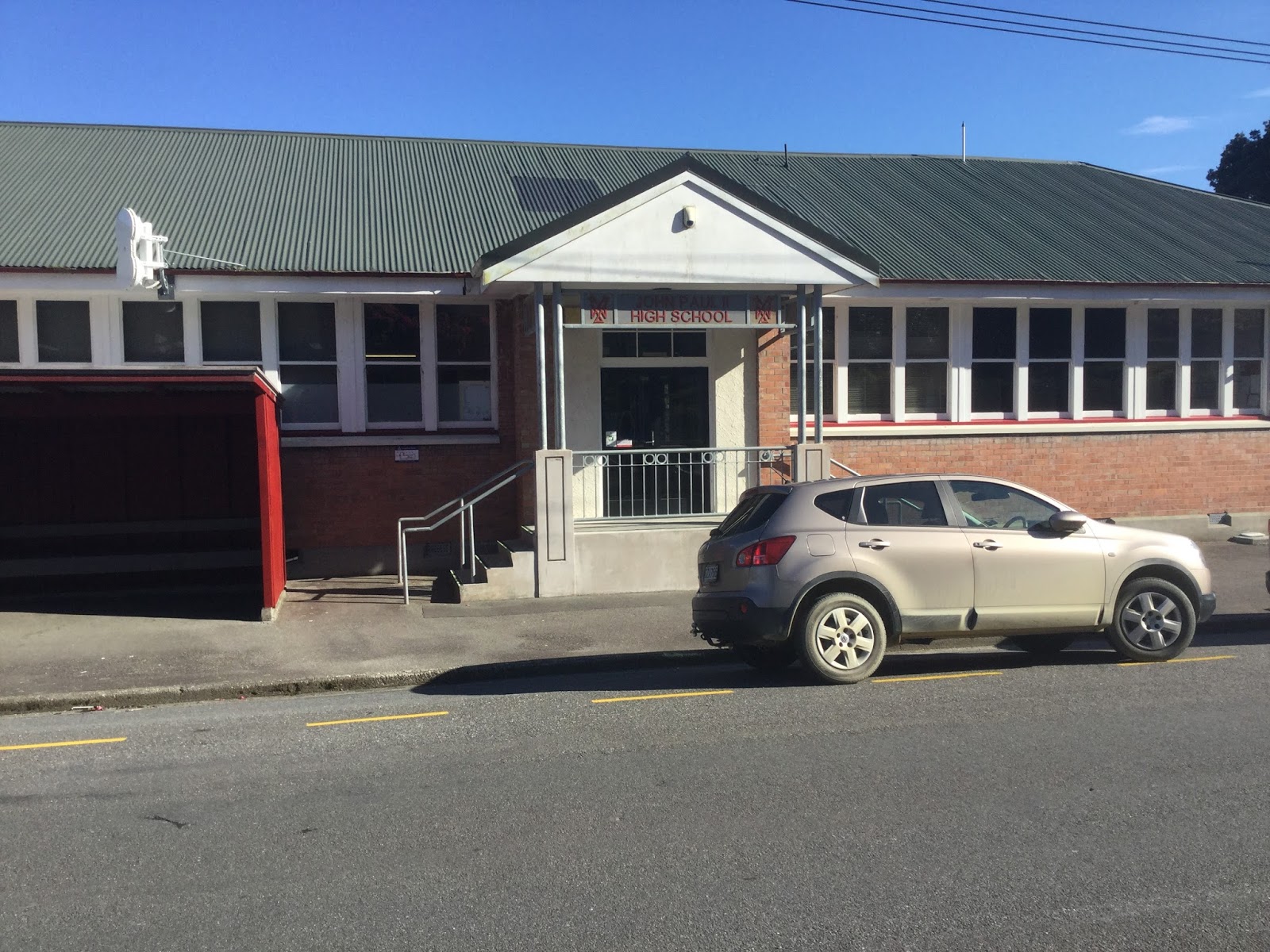
Last week Cushla and I visited the wonderful schools (St Mary's, St Patrick's and John Paul II High School) located on our beautiful West Coast. We worked in partnership with teachers on:

- Restorative Justice practices
- OneNote and GAFE
- Specific units of work within Religious Education

It was so beautiful in fact we found it hard to leave as you will find out in the video below..........


TH 101 Moodle Filming Day

Today, Sister Eleanor filmed content for her upcoming TH 101 (Introduction to Catholicism) paper which starts on the 26th January. This paper will operate via a blended learning approach of face to face and online learning time. The learning management system (LMS) this paper will operate through is Moodle.  Some of you will have experience of this platform and note how easy it is to use.

Enjoy the short teaser video.


Tuesday, 30 August 2016

School Event and Competition coming this month!

Social Justice Week 11th- 17th September


Social Justice Week for 2016 is 11th – 17th September. This year’s topic focuses on migration and encourages students and teachers to share migration stories and respond through prayer and action.  Caritas suggests that teachers use a prayer and a migration story each day. 


Please send in your photos, videos and examples of student work your class complete for the Migration Story so we can celebrate their success on our blog.

Contact:
OR


We look forward to seeing and sharing your students ideas!

Essay and Multimedia Contest 


This year the Christchurch Commission for Justice &  Peace invites students to write an essay or put together a multimedia presentation on poverty in Aotearoa New Zealand and to link it with Christian values that are within the Catholic Church's Social Teaching (CST).

The focusing question is: Discuss the issue of Poverty in New Zealand in light of the principles of CST.

For more details contact Barbara: barbaratemiha@gmail.com


The contest is open from 28th August - 14th October and includes the following categories:

Years 7 - 8 entries: $150 prize.
Years 9- 10 entries: $300 prize
Years 11- 13 entries: $ 500 prize and J& P Cup

We look forward to seeing your students entries and sharing these on our blog. 

Thursday, 25 August 2016

Christchurch Moderation Group Term Three Meeting


Yesterday Andrea Craig (Villa Maria), Daryl Shute (Villa Maria), Thomas Newton (St Thomas of Canterbury College), Anita Neilson (Middleton Grange School) and Ruth Velluppillai (Middleton Grange School) met to discuss teaching scripture in Religious Studies.

The purpose of the meeting was to analyse AS 90816 - "Describe the purpose of a sacred text within a religious tradition".

The meeting operated on the "Norms of Collaboration Model" whereby every individual has an equal voice. There is a focus on questioning and challenging each-other in a respectful manner. We expect that through questioning, our own understanding is challenged which will help us grow in our teaching practice.


Appreciative Inquiry Process


Our only focus was on the "Discovery" aspect of the Appreciative Inquiry method where we discussed:

 - The best of what is taking place within our schools and what enables this to occur.


We continued to delve deeper and presented our ideas around:

* What aspect of this topic do you and your students enjoy?
* What do you do to make this topic more engaging for your students?
* What questions would you like to ask the other teachers gathered here around their practice?
* What is your "piece of gold" you would like to share and present to us?


Shared Management System

To continue this "Discover" step we have created a shared management system where each school will contribute one lesson and one resource that they think increases learning outcomes for their students. A network system has been created where teachers are able to freely interact and share their learning with each other. We have created this by placing the teachers name on the resource so they can explain the purpose and benefits of using this within your class.

How often do we receive a resource that is not explained and then find it difficult to use?


Presentation

Ruth presented her best practice around assessment and how to instill reverence when teaching scripture. It  provides us with some probing questions that we should reflect on. 


Dream and Design Process

During Term Four, after senior exams we will meet again to look at what  the future for AS 90816 is especially around student engagement and understanding.

The 'design' process will involve the creation of a shared plan involving ideas, resources, tools and assessment features. From here the group can look at the implementation of this plan and sythesise some of these ideas down further to ensure successful implementation in 2017. 

Thank you to Andrea, Daryl, Thomas, Anita and Ruth for being committed to the development of Religious Education within their school. 


Tuesday, 16 August 2016

Top Five Tools to use in Religious Education!!!

Today I will introduce five new tools to use within your Religious Education class. They range from digital newspapers through to gamification.


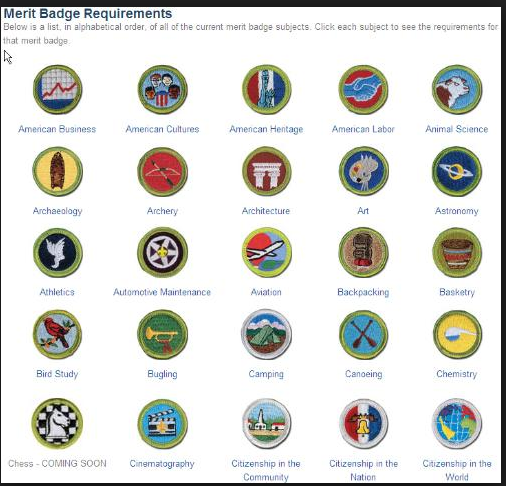
1. Digital Badges: https://www.badgelist.com/


Badgelist is a free app that allows teachers to create digital badges for student achievement and evidence of learning. You can upload a range of different badges for areas students have mastered within a topic.


2. Quizizz: http://quizizz.com/


Quizizz is a game-based formative assessment website that lets you assess your students in a fun and engaging way. Quizizz is self-paced which allows the students to finish as quickly or slowly as they need to. Quizizz also offers a homework option which allows students to complete the assessment game on their own time using an access code provided by the teacher.  


Smore allows users to create digital flyers that can be easily shared and accessed by anyone interested. The great thing about Smore is that it allows admin/teachers to embed photos and videos right in the flyer to easily share what is going on in the school.


4. Google Forms (Quiz Option)


Turning a Google Form into a quiz got much easier with the addition of quiz options! Now, with a few clicks of a button, your Google Form can be transformed into a self-grading assessment you can share with students as a formative assessment.


After completing your Google Form, click on the settings button. You will then notice you have a few different options now, one of those being the Quizzes tab! Click on this tab and slide the "Make this a quiz" button and your Google Form is now set up to be a self-grading assessment.


Once you have made your Google Form a quiz, you can then select your questions, change their point totals, select the correct answers, and provide feedback for both correct and incorrect answers.


5. HSTRY: https://www.hstry.co/blog/using-hstry-in-the-classroom


HSTRY allows users to create interactive, digital time-lines that can be easily shared online. Teachers can create timelines using pictures, videos, text, and gifs, and upload those timelines to their HSTRY class page. Students in your course can create their own timelines or collaboratively work on content shared by the teacher.


The development of our Professional Learning Programme

In 2016, we sat down and re frame how we deliver professional development to teachers in the Christchurch Diocese. Instead of the typical s...